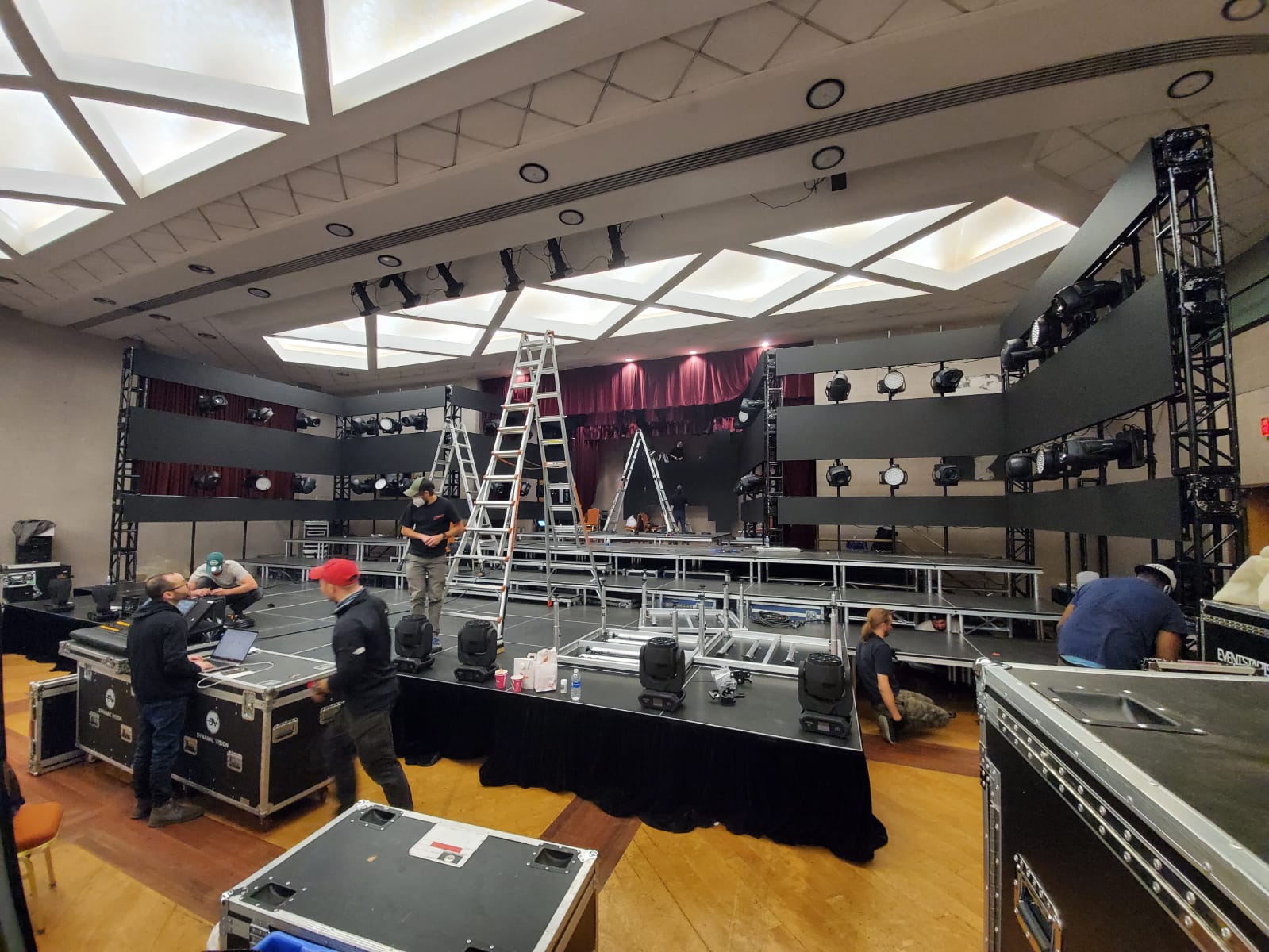
There exists a particular nightmare involving rigging systems that decide to relocate during performances. Unlike gradual settling that characterizes normal structural behavior, these incidents involve visible, sometimes dramatic movement transforming carefully engineered installations into kinetic sculptures nobody requested. The truss structures attempting escape represent equipment pushed beyond design parameters, environmental conditions exceeding expectations, or mechanical failures expressing themselves at precisely the worst moments.
The Mechanics of Mid-Show Migration
Understanding truss movement requires appreciating the dynamic loads these structures experience. A static load calculation considers only gravity acting on equipment weight. Real productions add dynamic factors: moving head fixtures transfer momentum when panning and tilting. Subwoofer systems producing extreme low frequencies vibrate everything nearby. Crowd dynamics during performances transmit forces through venue structures into rigging. Each factor contributes energy that accumulates until something moves.
The Thomas Super Truss and Tyler GT Truss systems incorporate engineering margins for dynamic loading, but calculations assume proper installation. Coupler connections not fully tightened during load-in loosen under vibration. Safety pins missing or improperly secured provide opportunity for separation. Escape attempts often originate at connection points where human error created vulnerability that performance conditions exploit.
Chain Motor Complications
Suspended truss depends on chain motors maintaining position. The CM Lodestar and Verlinde Stagemaker hoists incorporate mechanical brakes engaging when power removes, but brakes have finite holding capacity. Motors approaching working load limit may experience brake slip—gradual descent apparent only when truss has dropped noticeably from show position.
The Prolyft Aetos and Movecat D8+ incorporate absolute position encoders and sophisticated monitoring, yet depend on mechanical components that can fail. A chain bag overfilling during downward moves jams chain flow, creating dangerous shock loads when jams release. These failures announce themselves during performance rather than load-in testing.
Historical Incidents and Industry Learning
The entertainment rigging industry accumulated safety wisdom through incidents. The 2009 Indiana State Fair collapse catalyzed examination of temporary structure engineering. Organizations like ESTA developed rigorous standards including ANSI E1.2 for rigging equipment specifications. The 5:1 safety factor standards and requirements for secondary safety attachments reflect recognition that primary systems can fail regardless of engineering quality.
Ground Support Under Stress
Ground support systems introduce different escape mechanisms. The Genie Super Tower ST-25 and similar crank-up towers depend on internal locking mechanisms engaging at each extension increment. Hydraulic failures, worn pawls, and overloading create scenarios where towers decide to retract during shows. The Prolyte MPT Tower systems provide robust alternatives, but all ground support relies on base stability that venue conditions may not provide.
Outrigger systems stabilizing ground support towers require level, solid surfaces—conditions rarely achieved on venue floors. Convention center concrete develops slight crowns for drainage. Outdoor festival grounds present uneven terrain requiring extensive blocking and leveling. A tower that appears stable under load-in conditions may shift as concentrated loads compact blocking materials or find soft spots in supposedly solid foundations. The escape begins from the ground up.
Wind: The Outdoor Variable
Outdoor productions face wind loading that indoor events never encounter. Festival roof systems from Stageco and Mega Stage incorporate engineering for wind loads, but actual wind conditions during performance may exceed forecast predictions. The escape impulse arrives with weather, as gusts apply lateral forces that guy wires and ballast systems must resist. Insufficient ballasting or anchor failures enable dramatic lateral movement that threatens everything beneath the traveling structure.
The panels, screens, and fabric elements attached to outdoor truss systems act as sails, amplifying wind forces far beyond bare structure calculations. A scrim backdrop presents negligible weight but substantial wind resistance. LED mesh systems, while designed with airflow consideration, still catch wind that transfers to supporting truss. Productions monitoring only structural loads miss the cumulative wind forces acting on attached elements—forces that accumulate until they overcome restraint systems.
Automation System Failures
Modern productions increasingly incorporate automated rigging enabling truss movement as designed show element. Systems from Tait Towers and FTSI move massive structures with precision synchronization. When these systems malfunction during performance, the result transforms intended movement into uncontrolled escape. A positioning error, emergency stop failure, or communication breakdown between automation controllers can send truss moving when it should hold position—or holding when programmed movements should occur.
The safety protocols surrounding automated rigging have evolved extensively following incidents. E-stop systems, position monitoring, load cell verification, and redundant communication channels provide multiple safeguards. Yet the complexity of these systems introduces failure modes that simpler static rigging never encountered. The truss attempting automated escape during a show represents sophisticated technology operating outside intended parameters—a reminder that capability and control aren’t synonymous.
Response Protocols When Truss Moves
Professional rigging crews develop response protocols for unexpected movement. The first priority involves determining whether movement indicates imminent failure requiring immediate evacuation or controlled settling that monitoring can manage. The head rigger maintains communication with production staff while assessing structure behavior. Movement that accelerates or changes character demands immediate stop-show decisions; gradual settling may permit completion while crews monitor conditions closely.
Documentation of incidents enables pattern recognition across productions. The rigging logbook noting unexpected movement during specific show moments correlates with lighting cue lists and audio programming, potentially revealing that fixture movements or bass drops trigger structural response. This correlation enables mitigation strategies—modifying cues that cause problematic movement or reinforcing structures at vulnerable points. The escaped truss that returns to confinement through engineering intervention teaches lessons that improve future installations.
Prevention Through Preparation
Preventing mid-show truss escape begins during production planning. Structural engineering calculations that include dynamic load factors, connection inspection protocols that verify every coupler and safety, and motor load monitoring throughout production combine to minimize escape opportunities. The pre-show inspection that walks every connection point becomes ritual that catches loosening before it progresses to movement.
The professional relationship with truss systems acknowledges their potential for independent action while implementing every reasonable mitigation. These structures exist at the intersection of engineering precision and real-world chaos—carefully calculated assemblies subjected to conditions their designers couldn’t fully anticipate. The truss that tries to escape mid-show represents this intersection in dramatic form, reminding everyone involved that rigging demands respect, vigilance, and the wisdom to recognize when structures communicate their intentions through movement.
