The agenda arrives three days before the event: eighteen sessions packed into nine hours, with five-minute transitions between speakers in different rooms, simultaneous breakouts requiring live-switched content between venues, and a closing keynote featuring a live satellite interview with a CEO in Singapore. The AV team reads the document with growing concern—not because the technology can’t accomplish these goals, but because the schedule allows zero margin for the reality of live production. AV-friendly agenda design begins with understanding that every technical element requires time, and schedules that ignore this reality invite failures that embarrass organizers and frustrate audiences.
The Transition Time Imperative
The most common agenda mistake involves inadequate transition time between sessions. Event planners see empty slots as wasted time; AV professionals see them as essential buffers where previous content concludes, presenter changes occur, and technical verification happens before the next segment begins. A panel discussion ending at 10:30 cannot realistically be followed by a keynote beginning at 10:35 when the stage requires reconfiguration, new presenter microphones need sound checks, and different presentation files must load. The minimum realistic transition for significant format changes runs 10-15 minutes; complex resets may require 20-30 minutes.
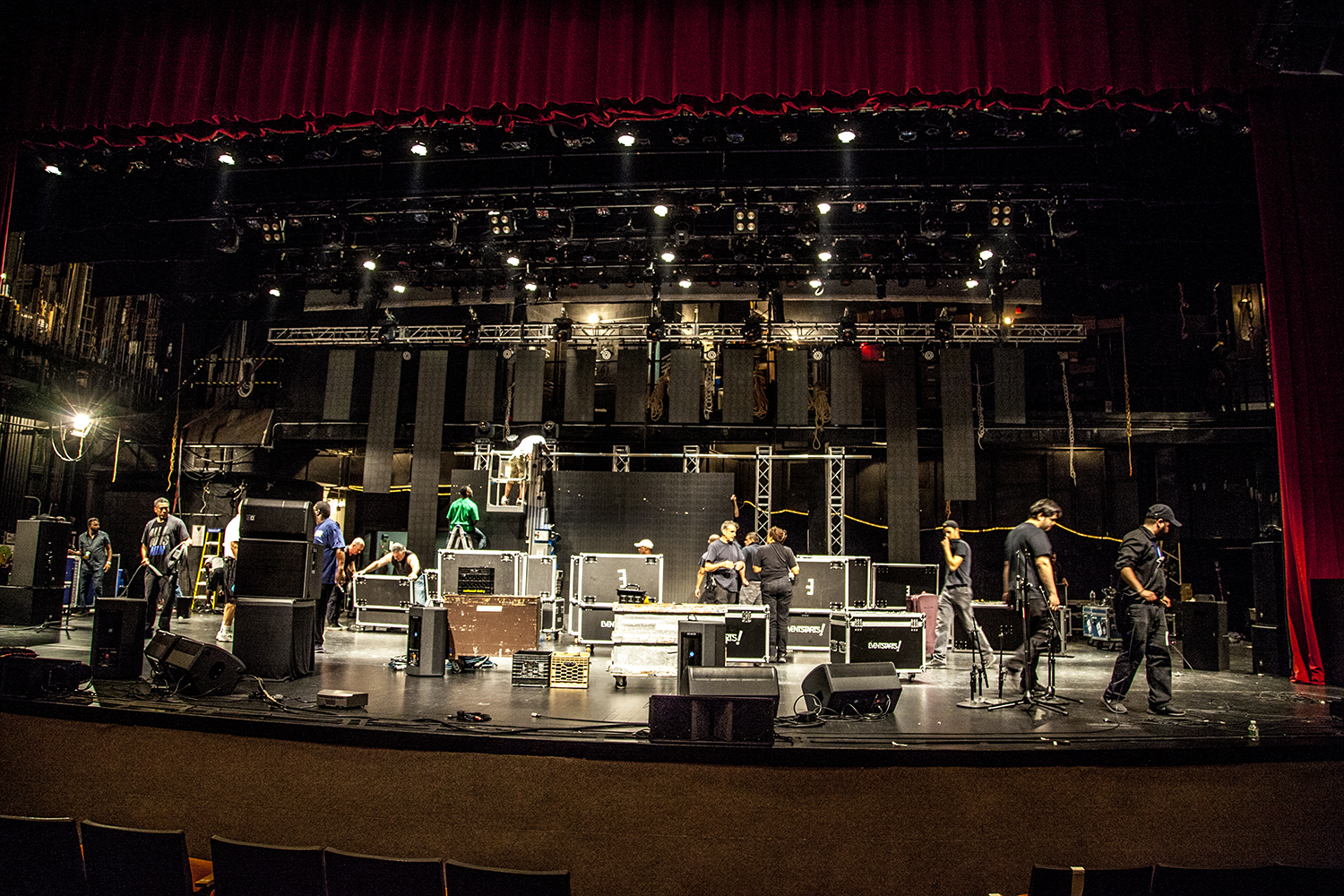
Planning adequate transitions requires understanding what actually happens during them. Audio engineers verify microphone assignments and test each presenter’s level. Video operators confirm presentation files display correctly and advance properly. Lighting may need adjustment for different stage positions or presenter counts. Stage managers coordinate talent movement and confirm readiness. Compressing these activities into impossibly short windows means either skipping verification—risking visible failures—or running late from the event’s first transition, with delays compounding throughout the day. Planners who invest in proper transition time find events running smoothly and on schedule rather than perpetually behind.
Rehearsal Requirements
Complex presentations require rehearsal time that agendas must accommodate. A CEO keynote with integrated video playback, live demonstrations, and audience interaction cannot be executed flawlessly without practicing the sequence. Technical rehearsal verifies that all elements work together—presentation advances trigger video rolls, lighting cues align with content changes, and transitions between segments occur smoothly. Scheduling rehearsals separately from event time means budgeting load-in schedules that complete with margin for this essential preparation. Productions using Keynote or PowerPoint with embedded media particularly benefit from rehearsal time that reveals compatibility issues before they cause problems during live presentation.
The ratio of rehearsal time to presentation complexity varies. A straightforward slide presentation from an experienced speaker might need only a quick technical check. A multi-presenter general session with video rolls, live demonstrations, award sequences, and satellite connections might require two hours of rehearsal for a one-hour program. Production companies like PSAV, Encore, and PRG can advise on appropriate rehearsal time for specific program elements based on extensive experience with similar productions.
Content Deadline Realities
Agenda design must establish and enforce content submission deadlines that allow technical preparation. Presentations received the night before an event cannot be properly tested, formatted, or integrated with production systems. Video files need transcoding to formats media servers accept. Graphics require verification that colors display correctly on LED walls. Animations and transitions must be tested for compatibility. These preparation activities require time that last-minute submissions eliminate. Best practice establishes content deadlines 48-72 hours before events, with clear communication that late submissions may not receive the same technical support.
Speaker management software from providers like SpeakerReady and Shoflo facilitates content collection with deadline enforcement and status tracking. Integrating these systems into event planning workflows creates accountability that email-based content collection lacks. Production teams can monitor submission status and escalate with speakers whose content hasn’t arrived. The agenda document itself should communicate content requirements and deadlines to all presenters, setting expectations from the planning stage rather than chasing files during load-in.
Hybrid Event Complications
Hybrid events add complexity that agendas must acknowledge. Remote participants require dedicated attention that competes with in-room demands. Q&A sessions need moderation approaches that balance virtual and physical audiences. Transitions between speakers in different locations—some in-room, some remote—require handoff protocols that prevent awkward dead air. Platforms like Zoom, Microsoft Teams, and Hopin each have latency characteristics that affect how quickly remote presenters appear when called upon.
Designing hybrid-friendly agendas means building additional buffer into segments involving remote participants. A remote speaker joining from Asia for a US morning session requires connection verification time that pure in-person events don’t need. Technical checks confirming audio quality, video framing, and internet stability should happen before the remote segment begins, not during it. Backup plans for connection failures—recorded video alternatives, co-presenter coverage, schedule flexibility—need inclusion in agenda documents so all stakeholders understand contingency approaches.
Room Configuration Changes
Events utilizing single venues for multiple purposes—general sessions, breakouts, meals, receptions—require room turn time in agenda planning. Converting a theater-style keynote room into banquet rounds for lunch involves substantial physical changes that AV must accommodate. Speaker positions may need relocation, display sightlines require adjustment, and audio coverage patterns must adapt to changed seating. The furniture transition itself consumes time; the technical adjustments add more. Agenda designers should consult with both catering and AV teams to establish realistic turn times that accommodate all necessary changes.
Breakout sessions in multiple rooms create simultaneous technical demands that require adequate staffing and setup time. If four breakouts begin at 2:00 PM, all four rooms need technical readiness by that time—meaning four separate teams completing setup, testing, and presenter preparation in parallel. Agendas that assume one technical team can service sequential breakouts with five-minute gaps between sessions in different rooms invite failures. Understanding the parallel resource requirements of multi-track programming helps planners create achievable schedules.
Communicating with Production Teams
Agenda documents should serve as communication tools for production teams, not just attendee schedules. Including technical notes that clarify requirements helps AV teams prepare appropriately. Noting that a particular session includes a live demonstration with specific equipment needs, that a speaker plans to use personal laptop rather than house systems, or that a segment requires specific lighting treatments gives production teams information they need for accurate planning. Show flow documents created in Shoflo or StageTEXT expand on basic agendas with cue-by-cue detail that production teams require.
Early involvement of AV production in agenda development prevents problems that late consultation cannot solve. Production managers can identify scheduling conflicts, unrealistic transitions, and technical impossibilities before agendas finalize and communicate to stakeholders. This collaborative approach produces agendas that work technically while meeting program goals. Event planners who view production teams as partners rather than vendors to be informed after decisions are made consistently achieve better outcomes. The best events result from integrated planning where content, logistics, and technical teams collaborate from initial concept through final execution.
AV-friendly agendas ultimately reflect realistic understanding of live production requirements. The discipline of building adequate transitions, rehearsal time, and technical preparation into schedules produces events that run smoothly and professionally. Audiences never notice the well-planned transitions and seamless technical execution—they notice only when things go wrong. Investing planning attention in technical requirements creates the invisible excellence that distinguishes professional events from amateur attempts struggling against schedules that never allowed success.
