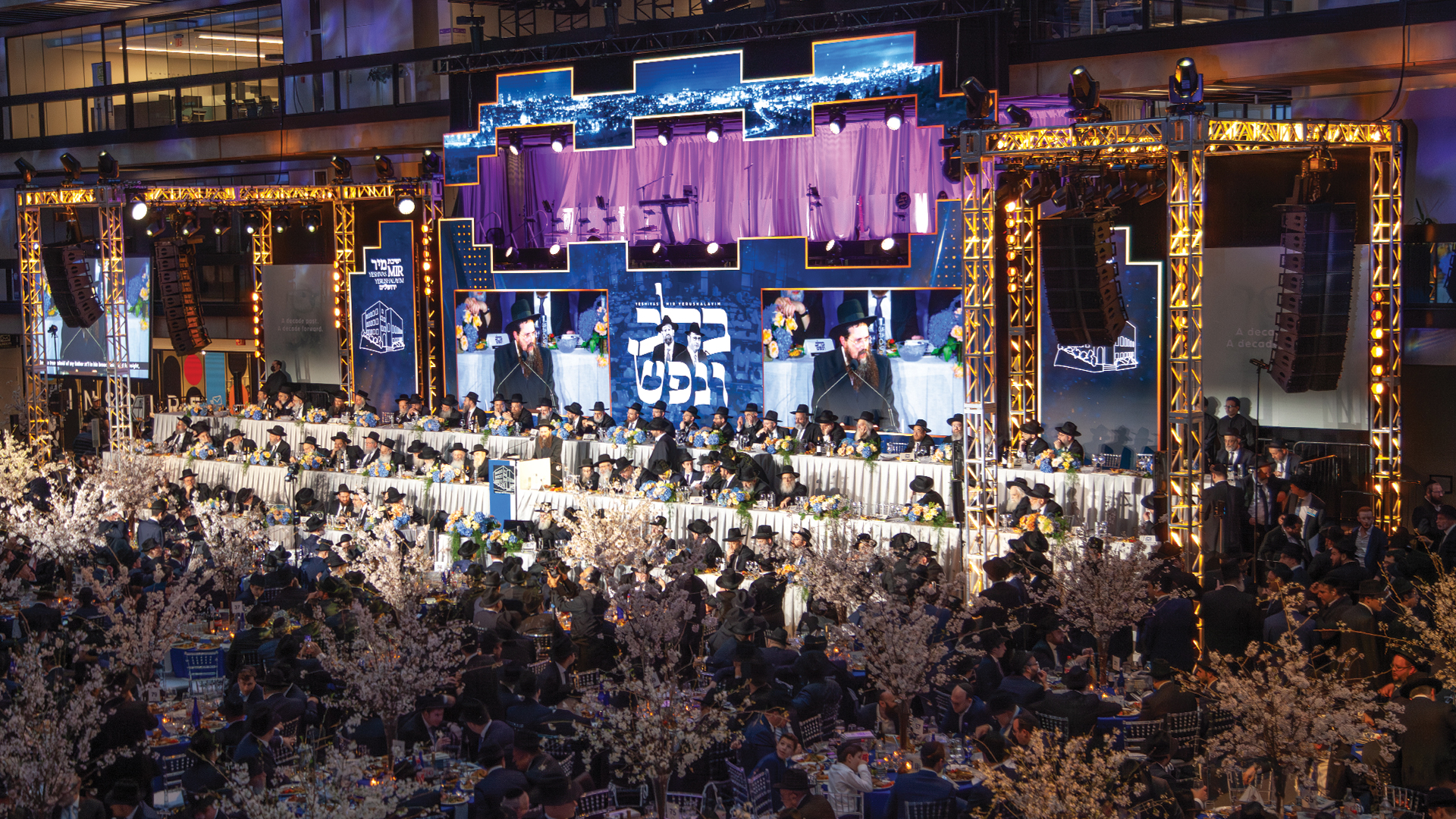
When Line Arrays Develop Personalities and Ground Support Becomes Ground Zero
The Day the Left Array Decided to Lean
There’s a particular silence that falls over a festival ground when 40,000 pounds of d&b audiotechnik J-Series line array begins moving in directions the rigging plot never anticipated. It’s not the silence of awe or anticipation—it’s the collective intake of breath from every production rigger and audio engineer who suddenly realizes physics has developed opinions about their carefully calculated load weights.
The 2018 incident at a major European festival became legendary in PA system rental circles: a ground-stacked speaker tower had been assembled on what surveyors assured everyone was level ground. By the third headliner’s set, differential settling had created a visible lean that sent the system engineer into what can only be described as a controlled professional panic while 50,000 fans remained blissfully unaware their audio source was slowly becoming the Tower of Pisa.
Understanding Ground Support Geometry
The mathematics of PA tower stability involves calculating center of gravity, base footprint, and the terrifying variable of ground composition. A Meyer Sound LYON array weighing 15,000 pounds exerts approximately 150 pounds per square inch on its ground support base plates—enough to compress soft soil measurably over a twelve-hour show day.
The Thomas Engineering ground support systems used by major touring productions include adjustable leg mechanisms specifically for managing uneven settling. The Area Four Industries Super Lifts favored by festival stages incorporate level monitoring systems that alert technicians before visible movement occurs. But neither system can compensate for the universal oversight: nobody checked if that ‘solid’ ground was actually an old drainage field.
Historical PA Disasters That Changed Industry Practice
The evolution of concert PA safety standards follows a grim pattern: catastrophic failure, industry investigation, new protocols. The 1994 collapse of speaker stacks at an outdoor concert in Germany led directly to the European EN 17206 entertainment rigging standard. The PLASA technical standards program exists because too many PA systems decided to explore gravity independently.
Before line array technology revolutionized concert sound in the late 1990s, speaker clusters presented different dramatic possibilities. The classic JBL VERTEC arrays hung from arena ceilings occasionally developed oscillation patterns during bass-heavy performances, swaying visibly enough to concern anyone who understood dynamic loading and resonant frequencies.
The Wind Factor Nobody Wants to Calculate
Outdoor PA systems face an adversary that indoor productions never consider: wind loading. A L-Acoustics K1 line array presents approximately 400 square feet of surface area to incoming wind. At 30 miles per hour—a mild breeze by festival standards—that array experiences lateral forces equivalent to hanging several hundred additional pounds from its rigging.
The Event Safety Alliance guidelines specify maximum wind speeds for different temporary structure configurations, but interpretation varies wildly between productions. Some festivals treat 25 mph as an absolute shutdown threshold; others consider it ‘character weather’ and push forward while riggers quietly update their life insurance beneficiaries.
Building PA Systems That Stay Where You Put Them
The first principle of stable PA deployment involves understanding soil conditions before unloading a single speaker cabinet. Professional site surveys should include ground bearing capacity assessments—information usually obtained through conversations with venue management or, in rare cases of corporate responsibility, actual geotechnical testing.
The IATSE stagehands union training programs now include modules on ground support awareness, teaching technicians to identify warning signs: standing water, unusually soft soil, visible cracking in asphalt, or the concerning presence of recently filled trenches. That ‘perfectly flat’ parking lot might conceal underground utilities with settlement characteristics different from the surrounding surface.
Rigging Hardware That Prevents Surprises
Modern PA rigging systems incorporate multiple redundancy layers. The Columbus McKinnon CM Lodestar chain hoists used by major productions feature secondary braking systems that engage automatically if primary brakes fail. The Protos Truss configurations specified for heavy line array deployment use bolt patterns designed for loads far exceeding typical show requirements.
Every shackle, span set, and steel wire rope should be rated at least 5:1 above the calculated working load—a safety factor that seems excessive until you witness your first dynamic loading event when an array catches wind. The Crosby hardware specifications used by touring professionals exist because cheaper alternatives have failed at exactly the wrong moments.
When PA Towers Develop Acoustic Personalities
Beyond structural drama, PA systems can develop acoustic behaviors that defy system engineering predictions. The phenomenon of temperature gradient interference occurs when daytime heating creates air layers of different densities, bending sound waves in patterns that EASE prediction software never anticipated. That perfectly tuned d&b ArrayCalc configuration sounds completely different at sunset than at noon.
The L-Acoustics Soundvision software now includes environmental modeling features that attempt to predict these effects, but atmospheric conditions change faster than any system technician can compensate. Festival sound engineers learn to accept that their morning sound check represents one acoustic reality, their afternoon lineup represents another, and their headliner might as well be a completely different venue.
Monitoring Your Arrays for Signs of Rebellion
Professional PA system deployment now includes continuous monitoring of structural and acoustic parameters. The Lake LM 44 processors can track amplifier thermal conditions, speaker impedance changes, and excursion limits in real-time. When a driver begins failing, you’ll see it in the system monitoring software before you hear it in the mix.
Structural monitoring systems like inclinometers and load cells can track tower movement throughout a show day. The Reliable Controls systems used by some production companies provide real-time alerts when ground support deflection exceeds programmed thresholds. Knowing your tower moved three millimeters during the opening act gives you time to address the issue before the headliner’s pyro adds thermal shock to the equation.
The Art of the Emergency PA Reconfiguration
Every experienced system engineer maintains mental plans for rapid PA system modification. When your left array develops structural concerns, you need to know immediately which cabinets can be removed to reduce load while maintaining coverage. The Meyer Sound Spacemap Go and similar processing systems allow acoustic compensation for reduced cabinet counts—assuming you’ve programmed those alternatives before crisis strikes.
The 2019 Bonnaroo high wind event demonstrated professional emergency response: technicians removed upper array cabinets while the show continued, using delay towers to compensate for coverage loss. The audience experienced minimal audio disruption while riggers performed what would have been impossible without extensive pre-planning and rehearsed emergency procedures.
Documentation That Saves Shows
Every PA deployment should generate documentation including rigging calculations, ground support specifications, and contingency plans for common failure modes. The Vectorworks Spotlight rigging tools can generate these calculations, but the critical element is human review by qualified riggers who understand that software doesn’t know about the underground parking garage directly beneath your ground support position.
Maintain a PA system logbook documenting behavior at each venue. That convention center where the left array always sounds thin? Previous engineers probably noted the acoustic reflection patterns from the loading dock doors. The festival stage where ground support settles three inches by day two? That’s documented somewhere, and finding those notes before unloading trucks saves hours of mid-show problem-solving and prevents your PA towers from writing their own dramatic scenes.
