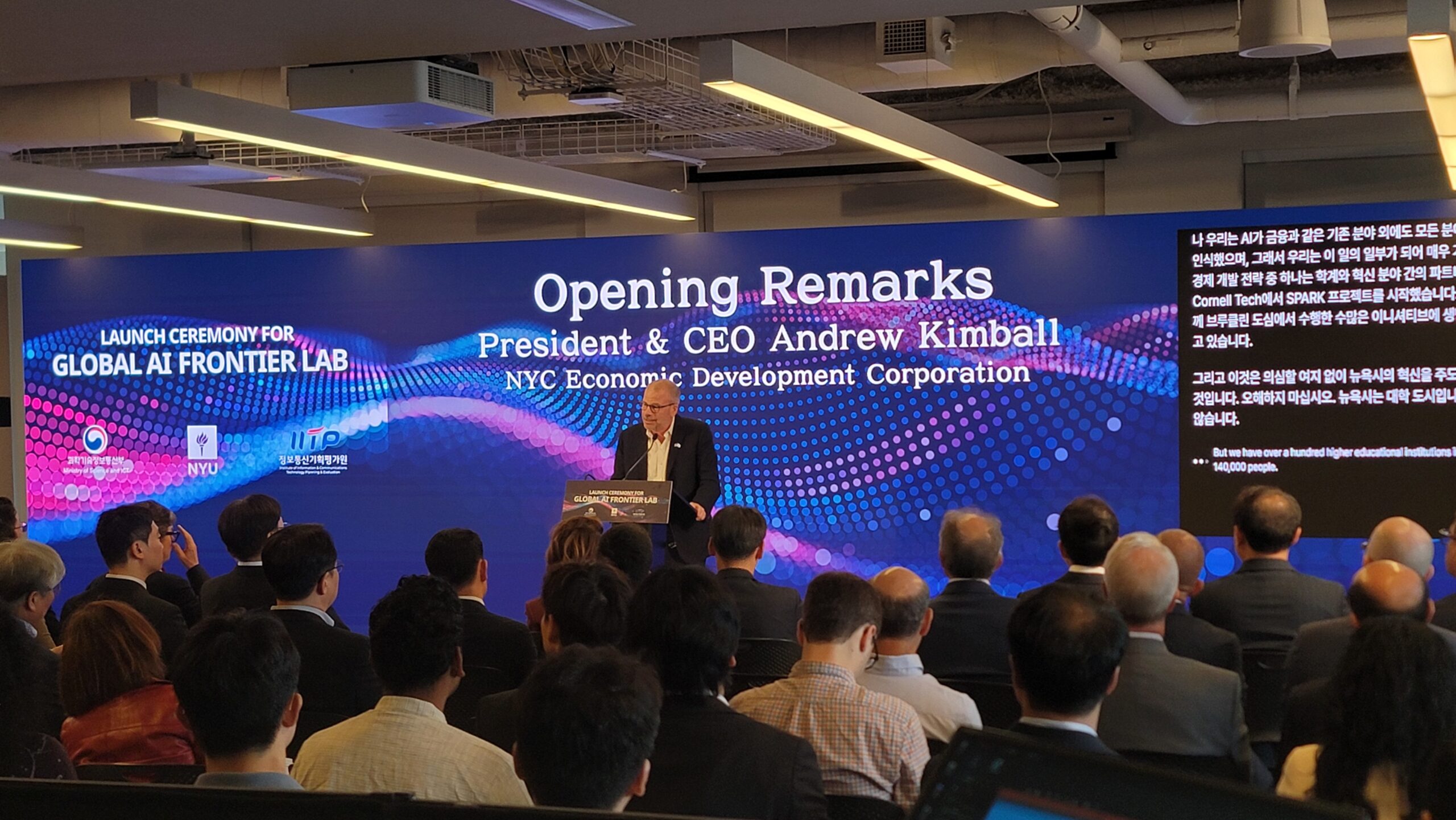
The panel discussion featured six experts, each with their own microphone, seated in a configuration that guaranteed acoustic problems. The moderator’s mic picked up panelists on either side; panelists leaned away from their mics while speaking; and the Q&A handheld created feedback whenever pointed toward the house speakers. Getting audio right for panel discussions requires understanding the unique challenges this format creates and implementing solutions that maintain intelligibility while avoiding the technical problems multiple simultaneous talkers can create.
Microphone Selection and Placement
Individual microphones for each panelist provide the most control but create the most complexity. Gooseneck microphones like the Shure MX418 or DPA 4098 mount to tables at fixed positions, ensuring consistent placement regardless of speaker movement. Lavalier microphones provide freedom of movement but require individual wireless systems and careful positioning to avoid clothing noise. Headset microphones offer the best audio quality but may be visually undesirable for certain event aesthetics.
Boundary microphones like the Crown PZM-11 or Audio-Technica ES945 offer lower-profile alternatives, lying flat on table surfaces to capture multiple speakers. These work well for informal discussions but struggle with quiet speakers or those who lean back from the table. The Shure Microflex series combines boundary pickup with elegant aesthetics appropriate for executive settings. Regardless of microphone type, minimizing distance between source and microphone remains the fundamental principle for clean panel audio.
Managing Multiple Open Microphones
Six open microphones picking up the same sound from different angles create comb filtering and reduced gain before feedback—acoustic problems that intelligent gain management addresses. Automatic mixers from Shure SCM820, Dan Dugan Sound Design, and Lectrosonics Aspen attenuate microphones not actively receiving speech, reducing the open microphone count effectively to one or two at any moment. This automatic management dramatically improves audio quality without requiring constant operator intervention.
Digital consoles from Yamaha, DiGiCo, and others include built-in automatic mixing functionality that eliminates the need for external processors. The Yamaha QL series includes Dan Dugan automatic mixing algorithms directly in the console, applied as channel processing. Understanding these tools and configuring them appropriately enables audio engineers to manage panel discussions that would otherwise require superhuman fader skills.
Stage Layout and Monitor Considerations
Panel stage configuration significantly affects audio performance. Arrangements where panelists face the audience (rather than each other) position microphones better relative to house speakers, improving gain before feedback. Table configurations matter—round tables look collegial but create acoustic challenges; straight or angled arrangements provide better microphone positioning options. Distance from house speakers affects feedback potential; panels positioned far from main speakers operate with greater acoustic headroom.
Monitor requirements for panels differ from keynote presentations. Panelists often need to hear each other—particularly when seating spans significant distances—but aggressive stage monitoring increases feedback risk. In-ear monitors eliminate acoustic feedback entirely but require wireless systems for each panelist, adding cost and complexity. Carefully aimed front fills can provide stage coverage without directing significant energy toward panel microphones, threading the needle between hearing needs and feedback prevention.
Panel discussion audio rewards careful planning and appropriate technology deployment. The challenges—multiple talkers, table-based microphones, unpredictable speaker behavior—have well-established solutions that professional engineers implement routinely. Productions that invest in proper microphone selection, automatic mixing capability, and thoughtful stage layout achieve clean, intelligible panel audio that lets audiences focus on content rather than struggling to hear.
