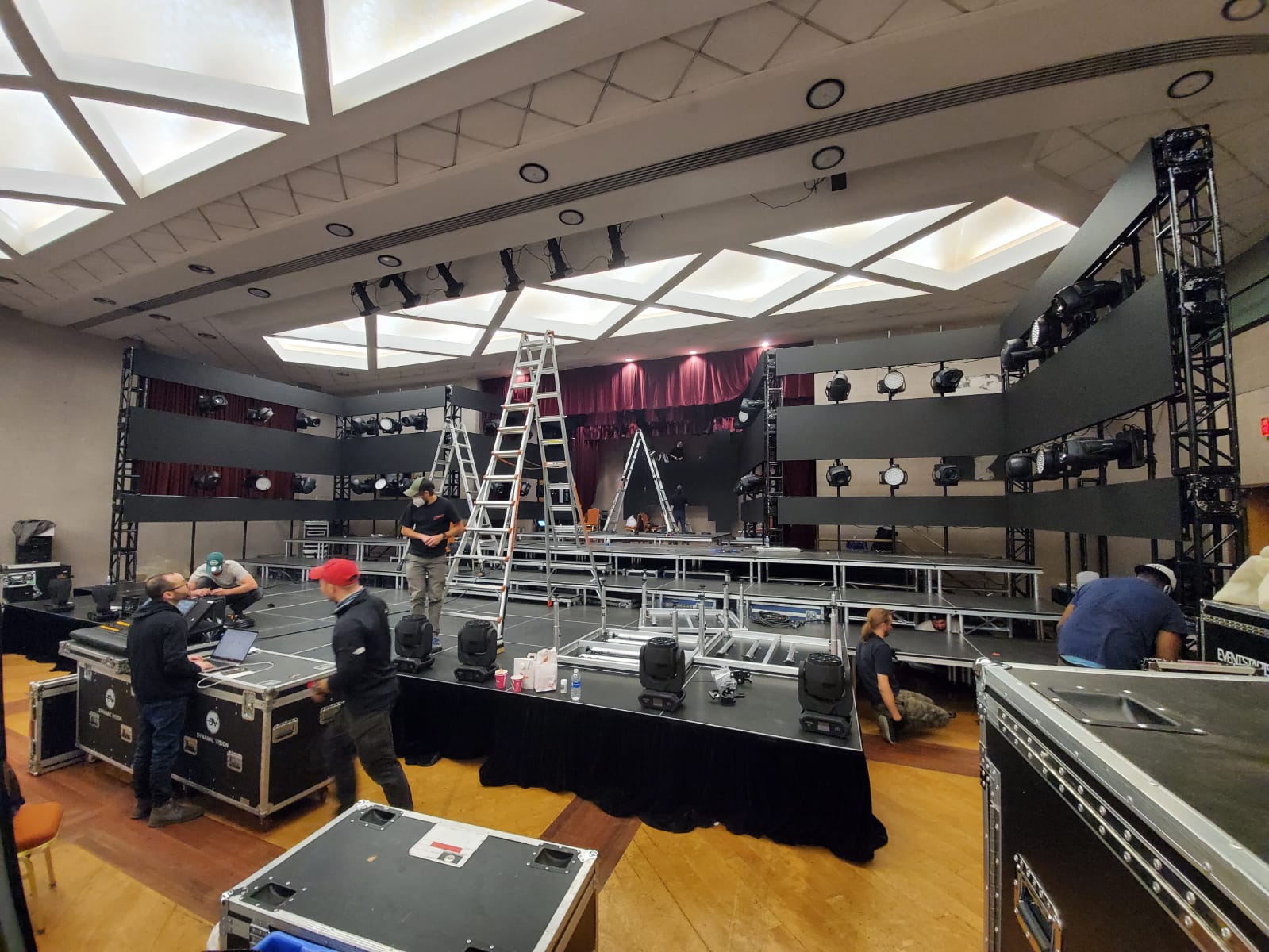
The product specification sheet lists 2.9mm pixel pitch but what does that number actually mean for the automotive dealer meeting with audiences seated twelve feet from the screen? Understanding pixel pitch and its relationship to viewing distance enables production teams to specify appropriate LED products for their specific applications, avoiding both the expense of unnecessarily fine pitch and the visual degradation of pitch too coarse for intended viewing conditions.
What Pixel Pitch Actually Measures
Pixel pitch specifies the center-to-center distance between adjacent pixels, measured in millimeters. A 1.5mm pixel pitch panel places pixels 1.5mm apart; a 4mm pixel pitch panel spaces them more than twice as far. Closer pixel spacing means more pixels per square meter, enabling finer detail and correspondingly higher costs. A 1.5mm panel might contain over 400,000 pixels per square meter; a 4mm panel contains roughly 62,500. This pixel density difference explains the dramatic cost variation between pitch options.
The practical implication concerns minimum viewing distance—how close viewers can get before individual pixels become visible rather than blending into continuous imagery. A common rule of thumb multiplies pixel pitch by 1,000 to estimate minimum viewing distance in millimeters: a 2.5mm pitch panel should be viewed from at least 2.5 meters (about 8 feet) for pixels to remain imperceptible. Closer viewing reveals the pixel structure, creating a screendoor effect that degrades image quality. This relationship drives pitch selection for different applications.
Close-Range Event Considerations
Close-range events—where audiences sit within 10-15 feet of LED walls—demand finer pixel pitches than typical corporate setups. Product launches where attendees approach displays closely, broadcast studios where cameras capture LED backgrounds at close range, and intimate presentation environments all benefit from pitches at or below 2mm. The ROE Visual Black Pearl BP2V2, Absen PL1.2, and Sony Crystal LED represent current options at the fine-pitch frontier, with pixel pitches approaching 1mm for the most demanding applications.
Virtual production environments particularly demand fine pitch because cameras capture LED walls at close distances and broadcast the results at high resolution. A camera positioned six feet from an LED wall shooting wide reveals pixel structure if pitch exceeds approximately 1.5mm. Studios like Lux Machina and NEP Virtual Studios specify pitch below 2mm as standard for camera-facing LED applications.
Budget Optimization Strategies
Since fine pitch costs significantly more than coarse pitch, optimization involves matching pitch to actual viewing conditions rather than specifying unnecessarily fine resolution. A conference general session with audiences 30+ feet from the screen wastes money on 1.5mm panels when 3.9mm or 4.8mm provides identical perceived quality at those distances. Conversely, specifying coarse pitch for close-viewing applications saves money initially but delivers inferior results that compromise production quality.
Hybrid approaches use different pitches for different portions of large installations. A presentation stage might use 1.9mm pitch for the central IMAG screen viewed by cameras, while environmental screens visible only from distance use 3.9mm. This strategy optimizes budget by applying fine pitch only where it matters while maintaining consistent visual appearance across the installation. Brompton Technology processors can manage mixed-pitch configurations, handling the different pixel densities within unified content workflows.
Pixel pitch selection balances budget, viewing distance, and application requirements. Production teams who understand the relationship between pitch and viewing distance specify appropriate products that deliver quality results without unnecessary expense. The numbers on specification sheets translate directly into visual performance and project budgets—making pixel pitch literacy essential knowledge for anyone specifying LED for close-range event applications.
