When Technical Expertise Meets Crisis Management
Beyond the Mixing Console
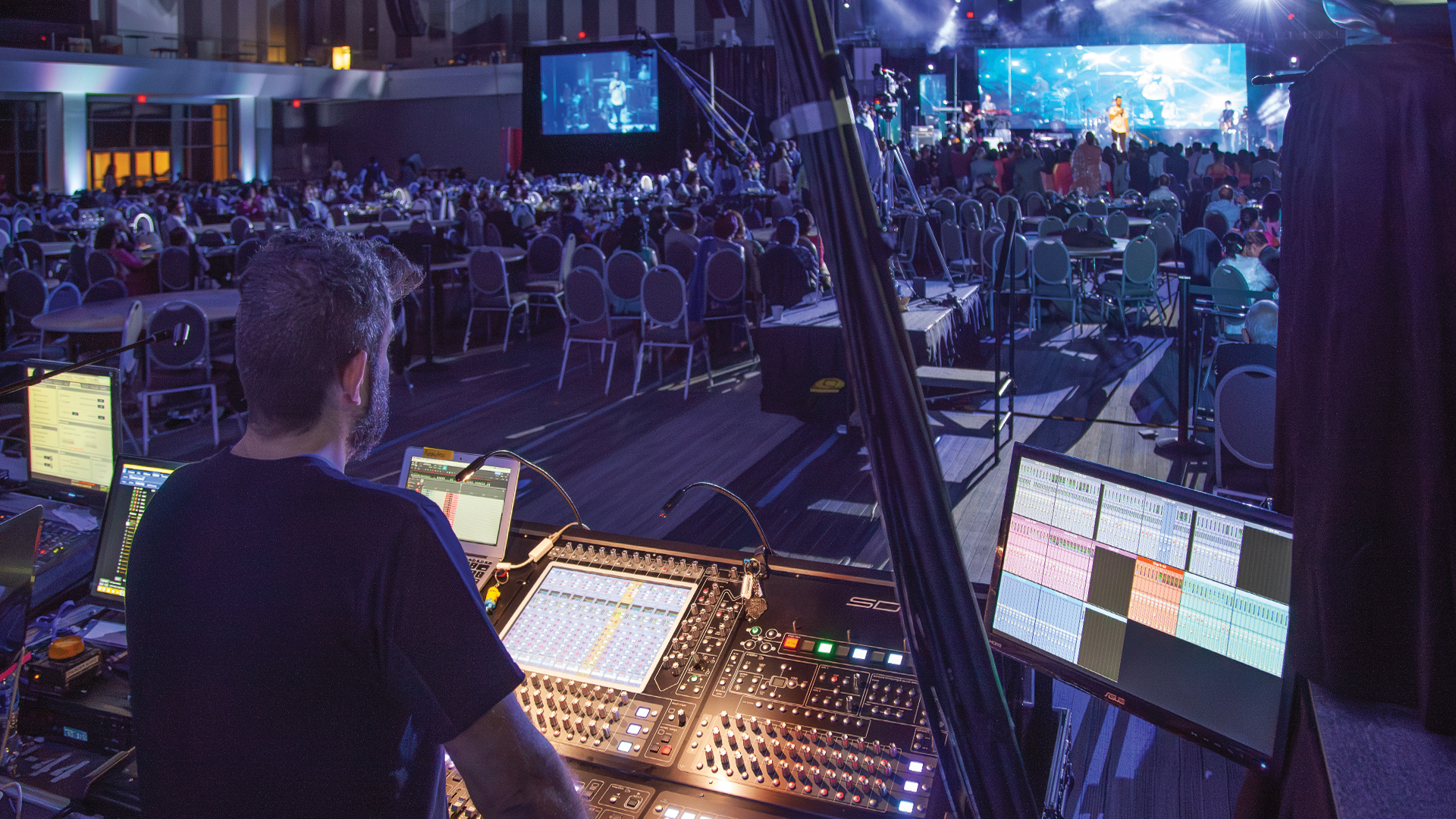
The A1 engineer had spent fifteen years perfecting their craft—mastering system optimization, developing golden ears for feedback frequencies, building a reputation for mixes that made artists sound better than they’d ever heard themselves. None of that training prepared them for the moment when a medical emergency in the pit required coordinating ambulance access while maintaining show continuity, managing crowd communication through the very PA system they’d spent hours tuning, and documenting everything for the incident report that would inevitably follow.
The Expanding Role of Production Audio
The traditional audio engineer job description focused on signal flow, equipment maintenance, and sonic quality. Contemporary production reality has expanded these responsibilities to include emergency communication coordination that leverages audio infrastructure for safety purposes. The front-of-house position offers overview perspective that makes audio personnel natural crisis coordinators—even when crisis management never appeared in their job descriptions.
The PA system represents the most powerful communication tool at any event. During emergencies, the same L-Acoustics K2 or d&b J-Series arrays pumping concert audio can deliver life-saving instructions to thousands simultaneously. The A1 controlling this resource often becomes de facto emergency communications director simply because they hold the means to address everyone present.
Medical Emergency Response
Medical events during performances range from minor incidents requiring discreet first aid to cardiac emergencies demanding immediate CPR and defibrillation. The audio team’s role typically begins with receiving notification through production intercom—Clear-Com or RTS systems that connect all departments—and escalates based on severity. Minor incidents may require nothing more than directing medical staff to the right location. Major emergencies can demand show interruption and crowd management announcements.
The messaging strategy for medical emergencies requires balance between urgency and panic prevention. Announcing ‘medical emergency in progress’ over PA systems can trigger crowd reactions that complicate response. Experienced audio personnel develop coded language and discrete procedures that enable rapid response without broadcast announcements. The pre-recorded emergency messaging that some productions prepare in advance provides professional, measured communication that stressed personnel may struggle to deliver spontaneously.
Weather and Evacuation Scenarios
Weather emergencies transform audio engineers into evacuation coordinators. The PA system’s ability to override crowd noise and deliver intelligible instructions becomes critical when moving thousands of people to safety. The speech intelligibility that audio professionals optimize for musical performance serves equally vital purposes during emergency messaging—an announcement that can’t be understood serves no protective function.
The zone control capabilities of modern PA processors enable targeted communication during evacuations. Rather than broadcasting identical messages throughout a venue, systems like the Lake LM44 or Galileo Galaxy can address specific areas with relevant instructions—’sections A through C proceed to the north exits’—while providing different information elsewhere. Configuring these capabilities requires advance planning that many productions overlook until crisis reveals the gap.
Security and Crowd Management
Security incidents during events—from fights to active threats—place audio personnel at the communication nexus. The intercom system typically connects security, production, and venue operations, with audio personnel monitoring channels that may provide first notification of developing situations. The decision to cut music, make announcements, or maintain normalcy during security events involves judgment calls with potentially life-or-death consequences.
The 2017 Las Vegas shooting at Route 91 Harvest festival demonstrated how audio systems function during extreme emergencies. Festival personnel used PA systems for evacuation messaging while under active fire, making split-second decisions about when and how to interrupt performance. The documented accounts of audio professionals during that tragedy inform current training programs that prepare personnel for scenarios previously considered too extreme to plan for.
Training and Preparation Requirements
Formal emergency response training for audio professionals remains inconsistent across the industry. Some production companies invest in comprehensive programs covering first aid, evacuation procedures, and crisis communication. Others assume that general professionalism will suffice during emergencies—an assumption that failure dramatically refutes.
The Event Safety Alliance offers training resources specifically addressing entertainment industry emergency response. OSHA requirements for workplace safety apply to production environments, though enforcement varies. The audio professional who proactively develops emergency management skills positions themselves as valuable beyond their technical contributions—while potentially saving lives when those skills prove necessary.
Documentation and Liability
Every emergency response generates documentation requirements that audio personnel may not anticipate. The incident reports, witness statements, and equipment logs that follow emergencies often rely on audio team recollections and records. Maintaining detailed show logs that include timestamps, communication records, and system configurations creates documentation that protects both individuals and organizations.
The legal exposure facing audio professionals during emergencies stems from both action and inaction. Delayed response to medical emergencies, inadequate evacuation messaging, or equipment failures during crisis can all generate liability claims. The production that trains personnel, documents procedures, and maintains equipment properly establishes defense against claims that inevitably follow serious incidents.
