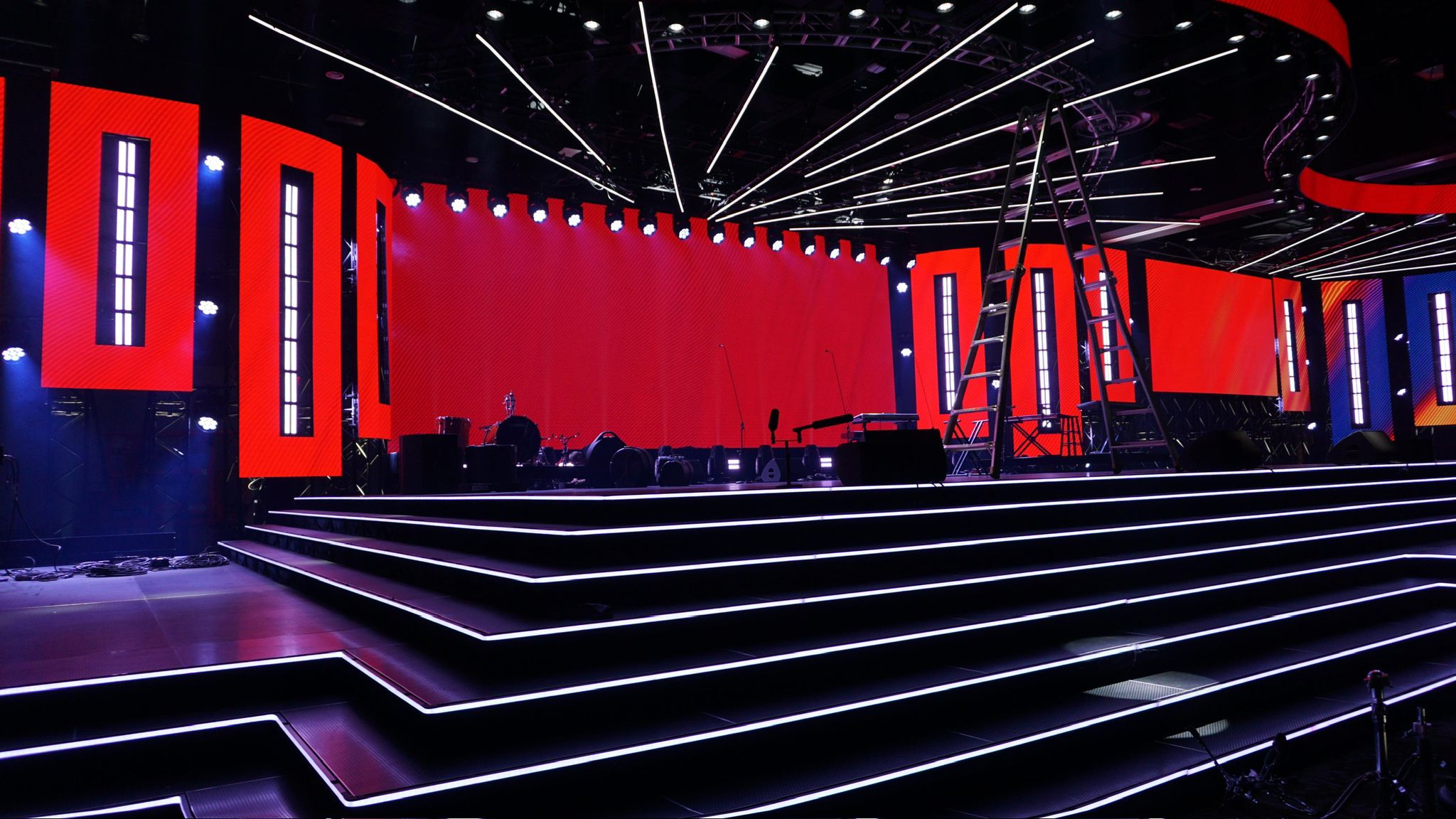
The design mockup showed an elegant LED wall surrounded by architectural scenic elements—until the fabrication team asked how wide the scenic LED frame needed to be to hide panel edges, accommodate cables, and provide structural support. The answer—nearly a foot on each side—significantly changed the design proportions. Understanding the practical requirements of framing LED walls with scenic elements enables designs that work as well in reality as they do in renderings.
Functional Requirements for LED Framing
Scenic frames around LED walls serve multiple purposes beyond aesthetics. They conceal panel edges that might otherwise appear as visible lines between modules. They provide cable routing channels that hide the power and data connections LED walls require. They create structural attachment points for mounting the LED assembly within larger scenic environments. Each function imposes minimum dimensional requirements that design must accommodate.
Frame depth must accommodate LED panel thickness plus any mounting hardware or cable routing behind panels. Typical indoor LED panels are 50-100mm deep; frames providing cable routing and structural attachment commonly require 150-200mm total depth. This depth affects how frames interact with surrounding scenic elements a shallow set piece might be overwhelmed by a frame deeper than expected. Preliminary structural coordination between scenic designers and LED providers prevents mismatches that require field modifications.
Design Approaches for Premium Aesthetics
Reveal details intentional gaps between frame and LED surface can create elegant visual transitions. A precisely dimensioned reveal with concealed LED strip lighting along the edge adds sophistication while hiding any minor alignment imperfections between frame and screen. Routed edge profiles add visual interest to frame surfaces, transforming simple surrounds into architectural features. Companies like Atomic Design and ShowMotion specialize in scenic fabrication that integrates LED elegantly with designed environments.
Material selection affects both appearance and functionality. Wood frames provide warm aesthetics but may not suit all brand environments. Aluminum frames painted to match brand colors offer contemporary looks with excellent durability. Fabric-wrapped frames using materials from Rose Brand or Gerriets create soft, seamless surrounds that work well with theatrical staging approaches. Each material brings different cost, weight, and assembly characteristics that affect practical deployment.
Integration with Modular Scenic Systems
Modular scenic systems from Aluvision, beMatrix, and Octanorm provide standardized framing structures that accept LED panels within engineered mounting systems. These systems enable rapid assembly with consistent results, trading some custom aesthetic possibilities for deployment efficiency and reliability. The modular approach suits rental companies serving multiple events with varying requirements the same frame components reconfigure for different LED sizes and configurations.
Floating screen effects—where LED walls appear to hover without visible support require careful engineering to achieve. Steel frames painted matte black and positioned in low-light environments can become effectively invisible, creating the illusion of floating video surfaces. This technique works best when audiences cannot see behind or around the display, limiting sightlines to controlled angles. TAIT and similar scenic automation companies have developed approaches for floating and moving LED elements that expand creative possibilities significantly.
Scenic LED frames transform functional LED walls into designed environment elements. The investment in proper framing appropriate dimensions, quality materials, thoughtful details—elevates production aesthetics from utilitarian to polished. Productions that budget for scenic framing from initial planning create cohesive visual environments where LED technology serves design intent rather than appearing as technical equipment dropped into otherwise designed spaces.
